

Cart
You have no items in your shopping cart
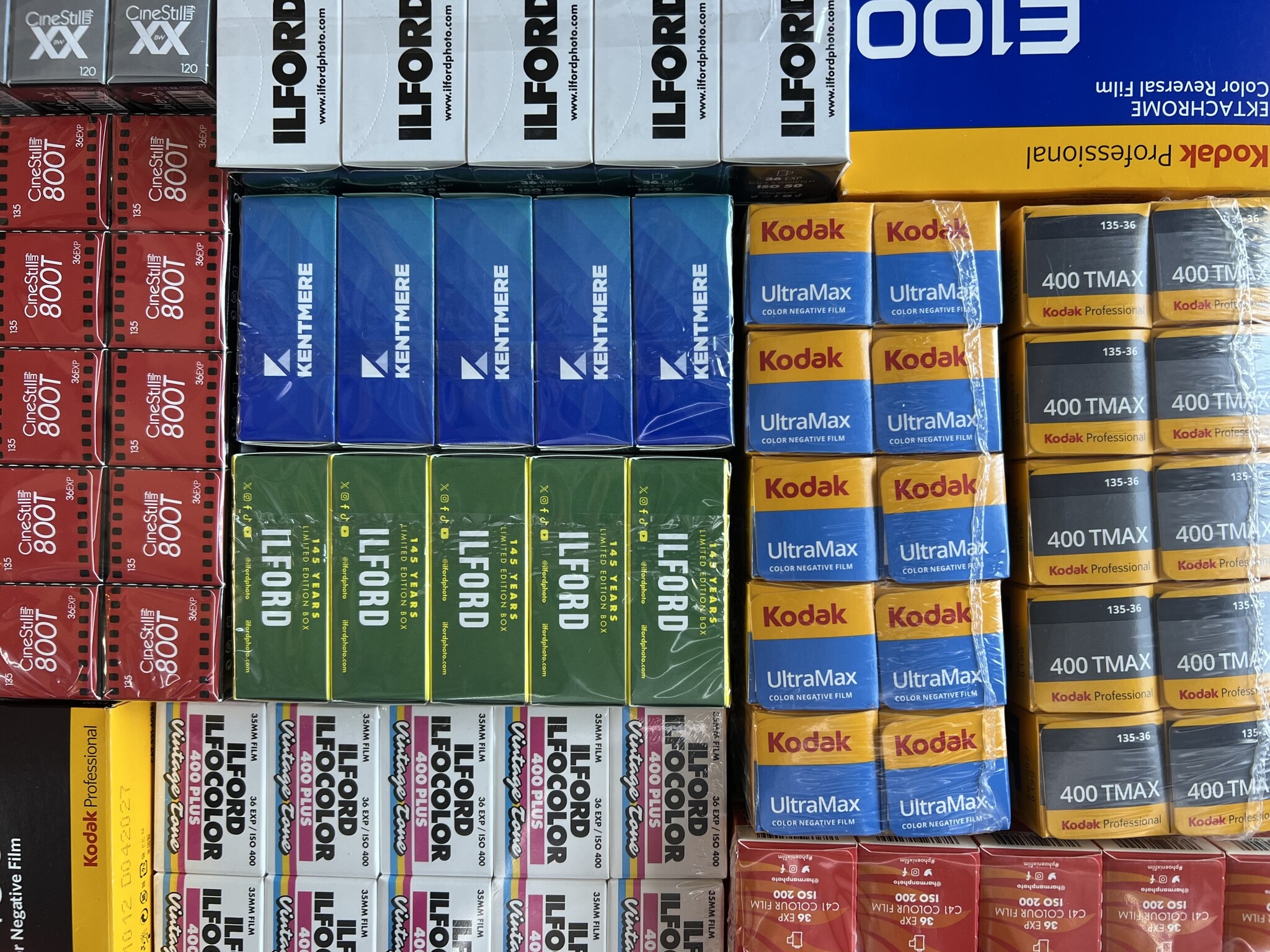
Ready to shoot your first roll of film? This beginner's guide to choosing film covers everything new photographers need to get started, from understanding formats like 35mm, 120, and sheet film to choosing between color negative, slide, and black-and-white film. You'll also learn how ISO (or ASA) affects your photos, how to store film properly, and see our suggestions for popular film stocks from Kodak, Ilford, CineStill, and Kentmere.
Walk into any camera store or browse film online and you'll quickly realize there are a lot of options. Kodak Gold, Portra (recently rebranded as Ektacolor Pro), HP5+, CineStill 400D, Ektachrome… it can be overwhelming if you're just getting started.
The good news is that you don't need to know everything before loading your first roll. Once you understand a few basics- film formats, film speed, and the different types of film- it becomes much easier to choose the right film to get you started.
Here's a simple introduction to the world of film.
Not every camera uses the same film format. Before buying your first roll, it's important to know which format your camera takes.
110 was introduced in the early 1970s for compact pocket cameras. Its small cartridges are incredibly easy to load. Because the negatives are quite small, image quality isn't on the same level as larger formats, but that's part of its charm. Tiny camera with a tiny negative. Most 110 film cartridges have 24 exposures.
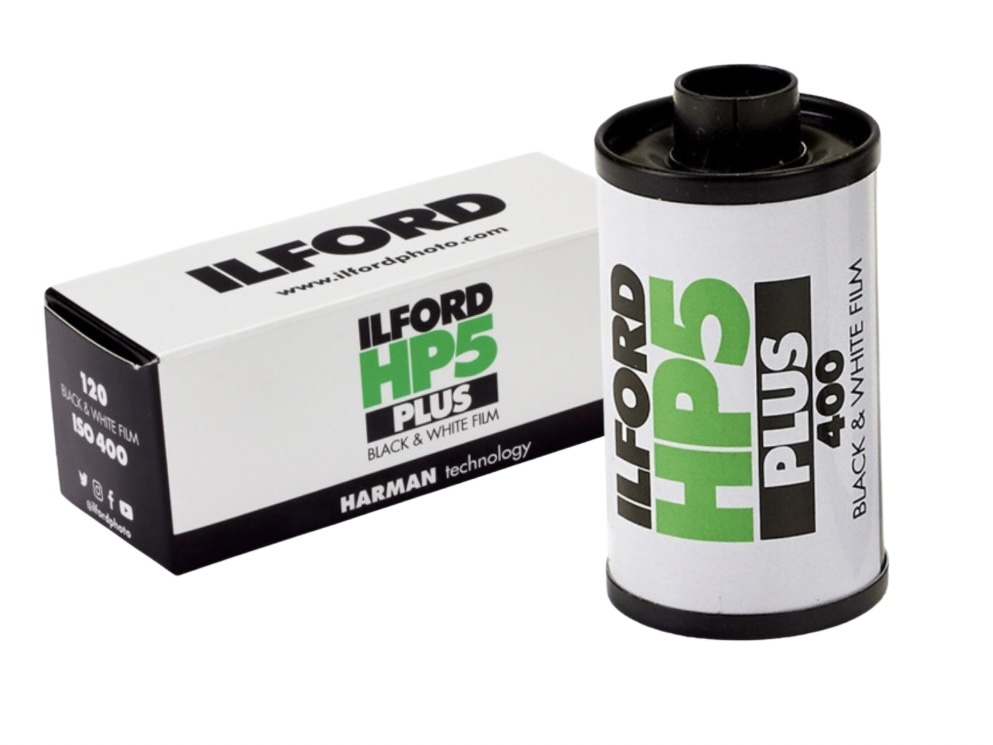
For most people, when you think of film, you're thinking of the small canisters that lined the shelves of every drug stores up until the early 2000's. 35mm film is by far the most common format, with an enormous selection of cameras and film stocks to choose from. Canon AE-1, Nikon F2, Olympus OM-1, Pentax K1000- these classics are all examples of 35mm film cameras.
The strip of film within the light proof canister is lined with sprocket holes on both the top and bottom. A typical roll gives you 24 or 36 exposures, making it a great choice whether you're photographing a weekend trip, family gatherings, or everyday life.
120 is the standard for medium format photography. The negatives are much larger (about 3x) than 35mm, which means more detail, smoother tonal transitions, and generally finer-looking grain. Thanks to the large size of the negatives, medium format images are known for having an almost 3d appearance.
It's the format used by legendary cameras like the Hasselblad 500 series, Rolleiflex TLRs, Mamiya RB67, Pentax 67, and many others. Depending on your camera, you'll usually get somewhere between 8 and 16 exposures per roll and that's because different medium format cameras shoot different frame sizes- 6x4.5 (often called 645), 6x6, 6x7, and 6x9 are the most common.
Because 120 film does not come in a light proof canister like 35mm, it's critical to tightly seal the roll with the adhesive strip attached to the film back when after finishing a roll. Failure to do so can lead to light leaks or overly exposed images.
Pro tip: 120 film is sometimes mistakenly referred to as “120mm,” but the name “120” is simply a Kodak format designation and not a measurement. Unlike 35mm film, which is named for its 35mm width, 120 film is not 120mm in size (it is actually about 61mm wide). Why did the name "120" become universal for all films of this size? It's a mystery!
Large format cameras don't use rolls at all- they use individual sheets of film. Loading one sheet at a time isn't the fastest (or most cost effective) way to work, but photographers continue to use large format because the image quality is extraordinary and the cameras allow movements like tilt and shift for precise control over focus and perspective. The most common sheet film sizes are 4x5 and 8x10.
127, 220, and 620 are examples of older, mostly obsolete film formats. While you may be able to find these films produced as small batch specialty films or as expired film, they are very difficult to source and sometimes require respooling to make them useable. For that reason, we recommend steering away from cameras that rely on these films. 220 is sometimes an exception. Many medium format cameras can accommodate both 120 and 220 film as 220 is essentially a longer roll of 120 with twice as many frames.
Not all film is developed the same way. Most film falls into one of three categories- color negative, slide film, or black and white. While most labs can develop all three types of film, slide film is becoming less common these days.
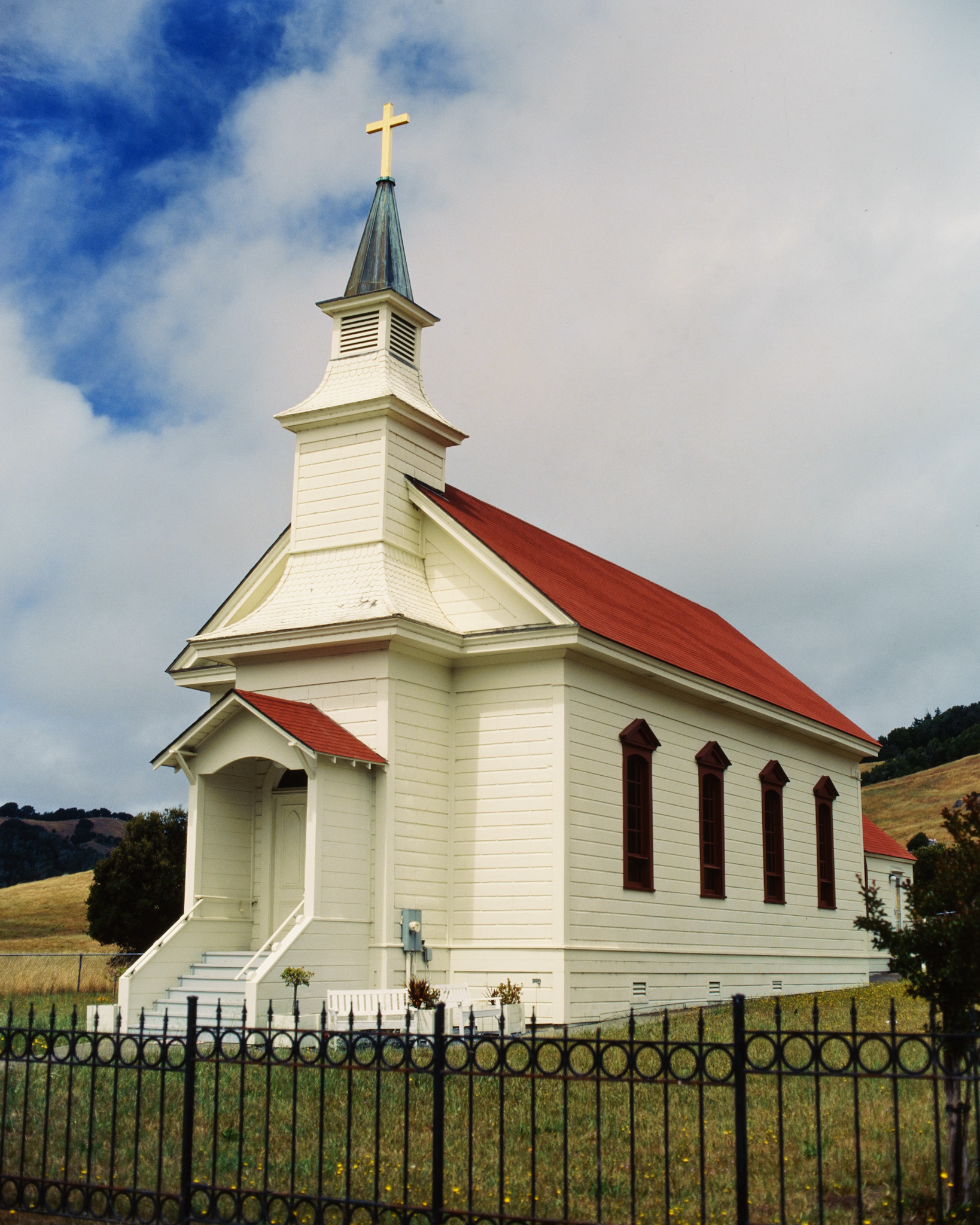
This is what most people think of when they picture color film. It's forgiving- in other words you don't have to nail the exposure to get great results- and there are a huge range of film stocks to try. If you're just getting started, color negative film is a great place to start.
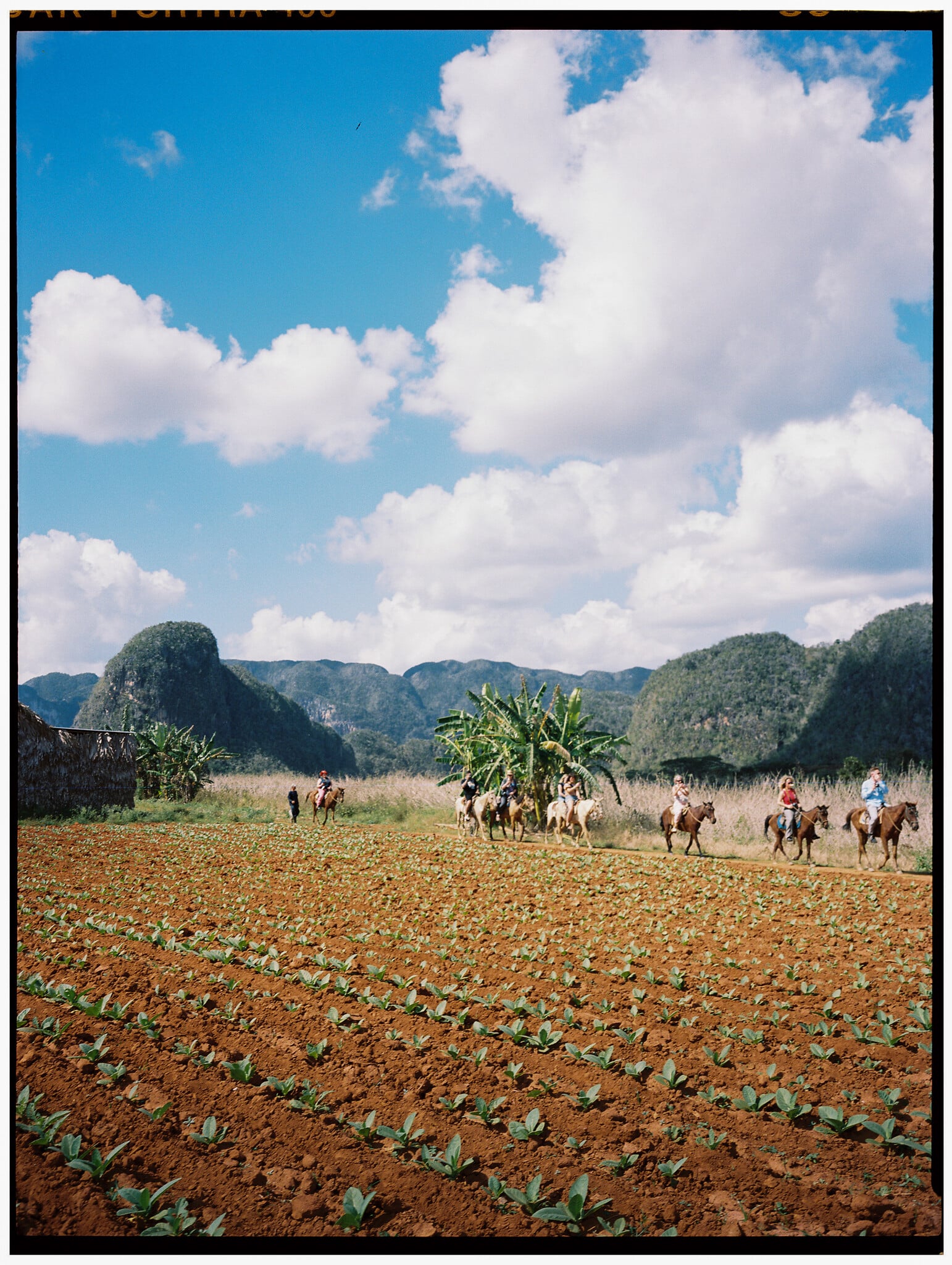
Slide film produces a positive image instead of a negative. The colors can be stunning, but it needs careful exposure. There's less room for error, which is why many photographers save it for situations where they have complete control over the light. As of now, Kodak's Ektachrome 100 (E100) is the only mass produced slide film.
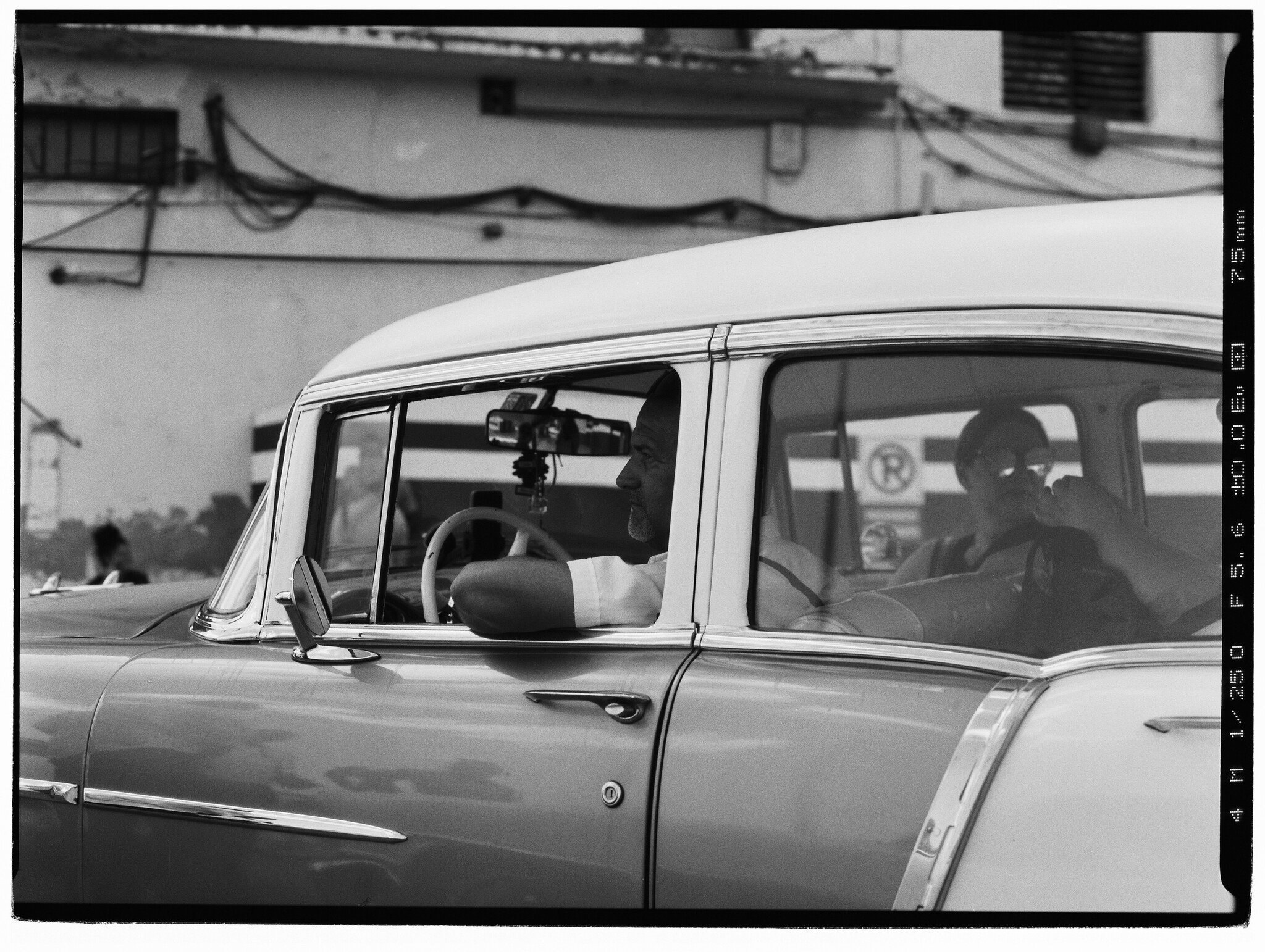
Black and white has a timeless quality that never really goes out of style. Different films have dramatically different looks, from smooth and subtle to gritty and contrasty. It's also a favorite among photographers who enjoy developing their own film at home.
One of the biggest differences between film stocks is ISO (sometimes called ASA), which measures how sensitive the film is to light.
Lower-speed films like ISO 100 generally produce the finest grain and the highest level of detail, but they need plenty of light. ISO 400 films strike a nice balance and have become the go-to choice for many photographers because they're versatile enough for almost anything. Higher-speed films like ISO 800 or even higher make it possible to shoot in darker conditions, although you'll usually see more grain which, for many people, is part of the appeal.
There's no "best" ISO. It simply depends on where you're shooting and the look you're after.
Most film has an expiration date printed on the box or label, but when properly stored, it can surpass this date by many years without any noticeable changes in color or contrast.
If you're planning to shoot it within the next several months, storing it in the refrigerator is a good habit. For long-term storage, many photographers keep unopened film in the freezer. Cold storing film helps to slow the natural degradation of the emulsion that occurs over time.
The biggest enemies of film are heat, humidity, temperature swings, and direct sunlight, so avoiding those goes a long way toward preserving image quality. Don't leave your film in the car!
If you're new to film, these are all excellent choices:
Kodak Gold 200– Warm "golden" color and a classic film look.
Kodak UltraMax 400– A versatile everyday color film with true to life color and good saturation.
Kodak Portra 400 (recently relabeled as Ektacolor Pro 400)- soft contrast and true to life color with a hint of warmth, it's a favorite among portrait and wedding photographers.
Ilford HP5+ 400– A forgiving black and white film that's equally at home in daylight or overcast weather.
Kentmere 400– A budget-friendly black and white film with classic grain and strong contrast, ideal for everyday shooting and learning film photography.
Kodak Tri-X 400– A classic high-contrast black and white film known for its rich grain, Tri-X has been a favorite since 1940.
Once you've shot a few rolls, you'll quickly discover your own favorites. That's one of the best parts of film photography- there isn't a single "right" answer. Different films suit different photographers, and discovering those differences is half the fun.
If you're still looking for the perfect camera to get started on your film journey, check out our available selection of 35mm film cameras here. Ready to dive into medium format? Browse our 120 film cameras here.