


Cart
You have no items in your shopping cart
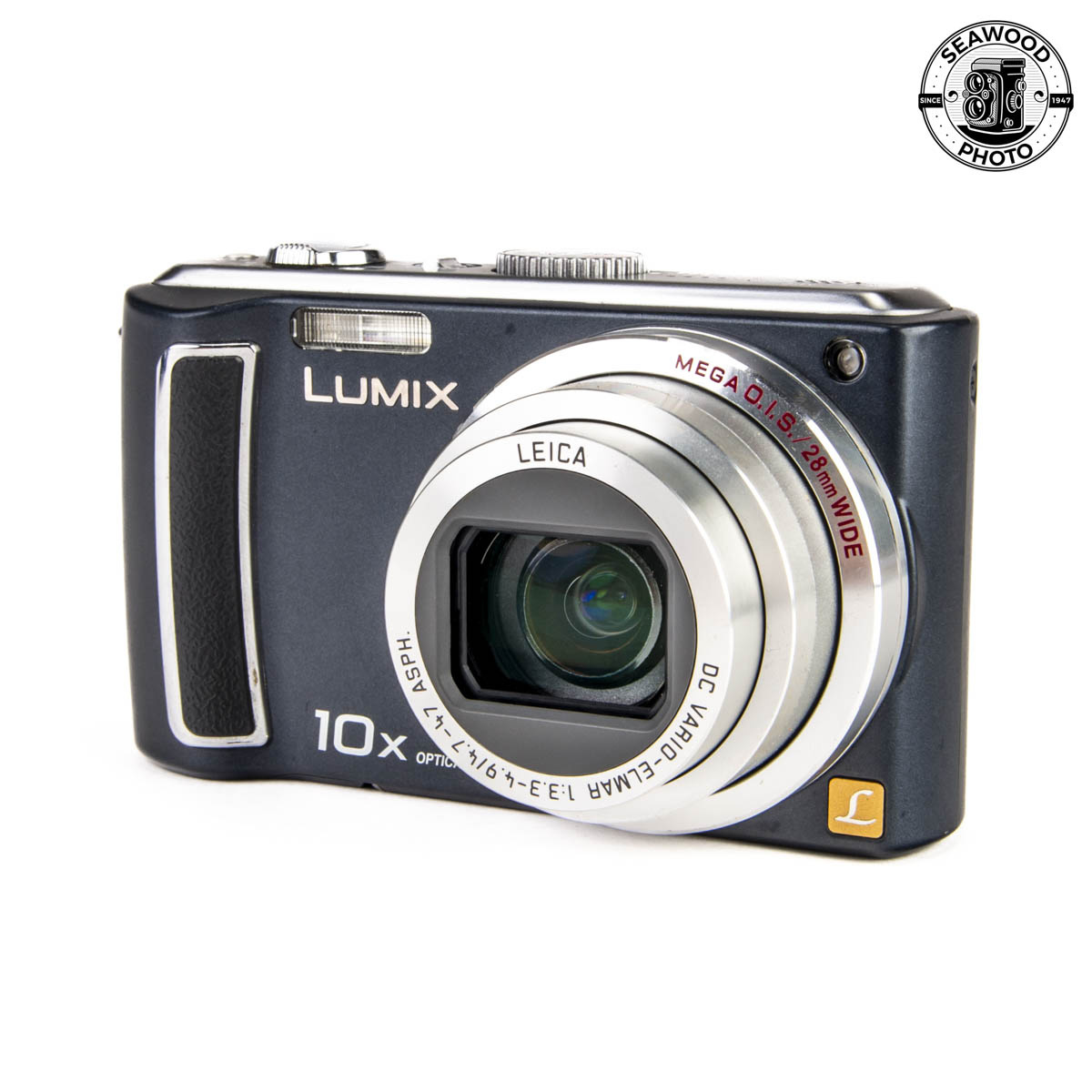
Early 2000s digital point-and-shoot cameras are in high demand. Photographers are rediscovering this era of digicams from Canon, Nikon, Sony, Olympus, Fuji, and more. We've got some thoughts on what's driving this trend and some tips on what to look for when shopping for an early era digital point- and- shoot camera.
For years, early digital point and shoot cameras occupied an awkward spot in photography history. They weren't old enough to be collectible, but their technology had been far surpassed by newer cameras and smartphones. The 5-megapixel digital point-and-shoot cameras seemed destined for the junk drawer and donation pile.
Now, those same cameras have found a new audience.
Compact digital cameras from the late 1990s and early 2000s- especially models from Canon, Nikon, Olympus, Panasonic/ Lumix, and Casio- have seen a major resurgence in popularity. Like many trends, this seems to be driven in part thanks to a few celebrities showing up on TikTok with a classic Canon PowerShot in hand. Beyond that appeal, users are drawn to the distinctive low resolution look, bold flash, pocketable size, and simple shooting experience.
Part of the appeal is the same thing that drove a new wave of increased interest in film photography: imperfection.
Modern smartphones are great at producing technically polished photographs. Computational photography automatically adjusts exposure, combines multiple frames, reduces noise, sharpens details, and processes color before you ever see the final image. For some, the results feel too perfect. Too sterile.
An early digital point-and-shoot does much less.
Small CCD sensors, limited dynamic range, direct flash, slower lenses, and early image-processing technology can produce photographs that immediately feel different from a modern phone image. Highlights can blow out. Flash can be harsh. Colors can be slightly strange. High-ISO images can get noisy quickly.
Those characteristics were once considered limitations. Today, they’re often the reason people want these cameras.
The look also taps directly into early-2000s nostalgia. Digital point-and-shoots documented school dances, vacations, nights out, family gatherings, and the earliest years of social media. For photographers who grew up during that period, the images feel familiar (although we might be less willing to refer to this aesthetic as "vintage"...ouch). For younger photographers, the look feels distinctly different from the highly processed images they’re accustomed to seeing from phones.
These cameras contain tiny motors, electronic shutters, zoom mechanisms, LCD screens, capacitors, buttons, and battery contacts. A camera can look nearly perfect cosmetically and still have an electronic or mechanical problem.
Before buying one, check a few important things:
Battery availability: Some cameras use AA or AAA batteries, which makes life easy. Others use proprietary rechargeable batteries. Make sure replacement batteries and, just as importantly, compatible chargers are still readily available.
Memory cards: Don’t assume every old digital camera accepts a modern high-capacity SD card. Depending on the model, you may encounter CompactFlash, xD-Picture Card, Memory Stick, SmartMedia, or older SD standards. Some cameras also have surprisingly low maximum card capacities. For most early model digital cameras that take a standard SD card, a 16-32GB memory card will provide more than enough storage. Larger capacity storage cards can be incompatible and give error messages.
Zoom operation: Turn the camera on and cycle the lens through its entire zoom range several times. Listen for grinding, hesitation, or unusual noises. Retractable zoom mechanisms are one of the most common potential failure points on compact cameras.
Flash: Take several photographs with the flash. An aging flash capacitor can cause slow recycling, inconsistent firing, or complete flash failure.
Battery compartment: Open it. Old batteries can leak and cause corrosion that may extend beyond the contacts you can see.
Take actual photographs: A camera powering on isn’t the same thing as a camera working properly. Shoot at different focal lengths, use the flash, and review the images.
Megapixels: A 10-megapixel camera isn’t automatically more desirable than a 5-megapixel camera. If you’re specifically looking for an early-digital aesthetic, an older lower-resolution model might actually be more interesting. It depends in part on how you'll be using the photos.
Check out our selection of available digital point and shoot cameras here.
There were hundreds of digital point-and-shoots produced during this period, so you don’t necessarily need to hunt for one specific viral model.
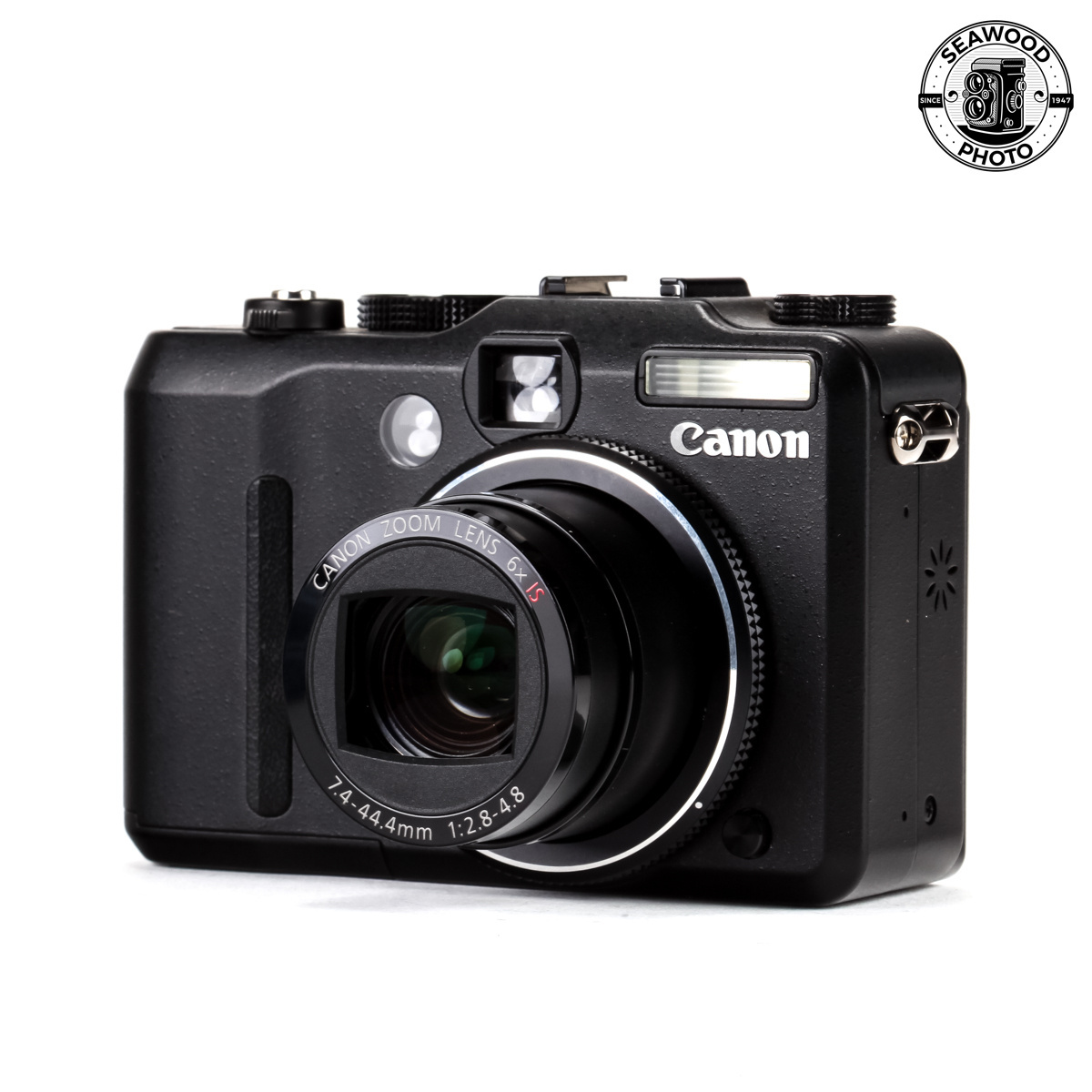
Canon PowerShot and Digital ELPH cameras were enormously popular and include everything from basic compacts to surprisingly capable enthusiast models.
Sony Cyber-shot cameras are another major part of the early-digital era, although buyers should pay close attention to which version of Sony’s Memory Stick format a particular model requires.
Nikon Coolpix cameras span an enormous range of designs, including some wonderfully strange early digital cameras as well as more conventional pocket models.
Olympus produced a huge variety of compact digital cameras, but many models use xD-Picture Cards, so it’s worth checking card availability before buying.
Fujifilm FinePix cameras have become particularly interesting to photographers looking for distinctive early-digital color and unusual sensor technology.
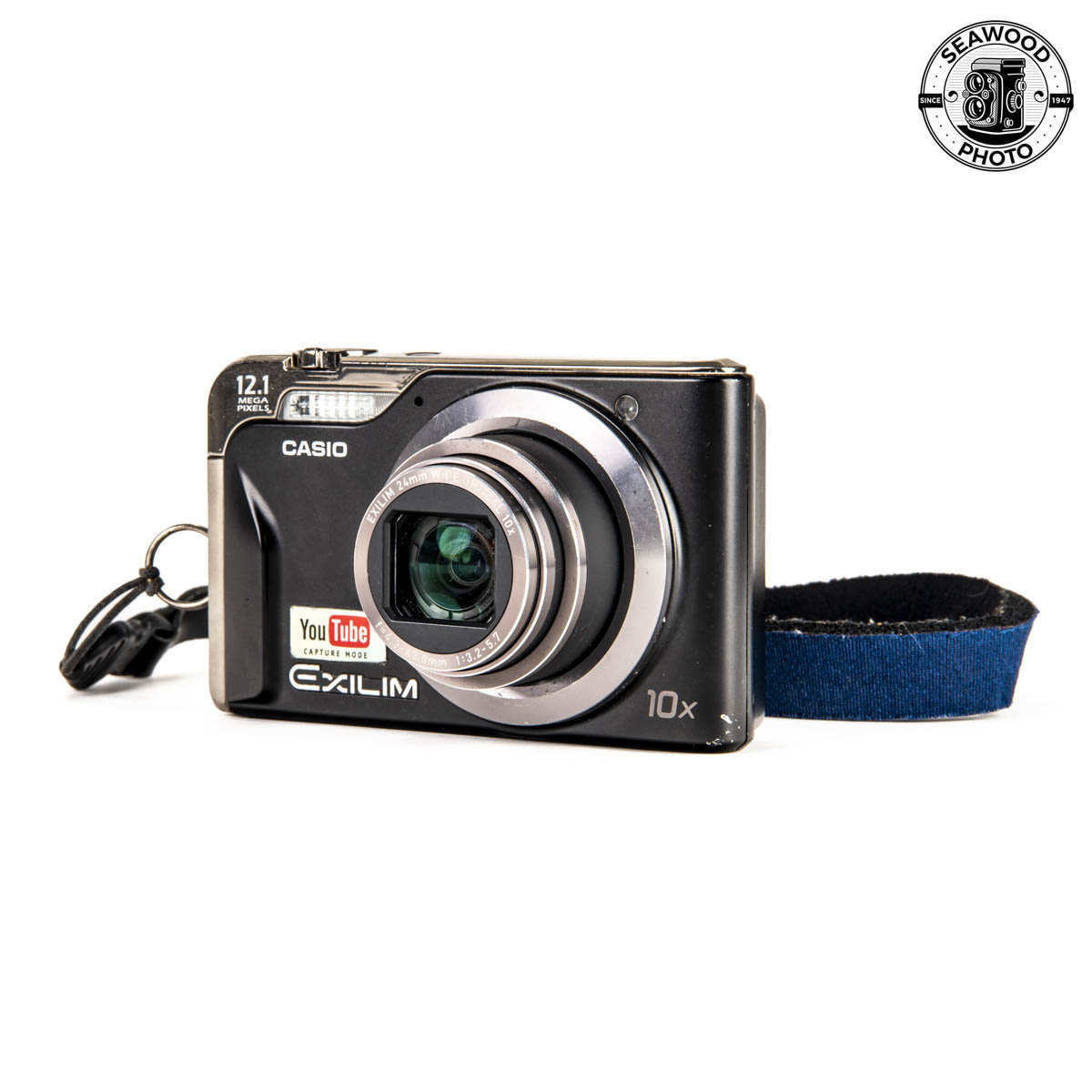
Panasonic Lumix, Pentax Optio, Casio Exilim, Kodak EasyShare, and several other families are worth exploring too. Sometimes the most interesting camera is the one that hasn’t become famous on TikTok yet.
If you’re shopping for an early-2000s digital camera, don’t worry too much about finding the exact model you’ve seen online. Check out our available inventory of compact digital cameras in our online shop. These cameras have been tested and are available to ship anywhere in the United States.