


Cart
You have no items in your shopping cart
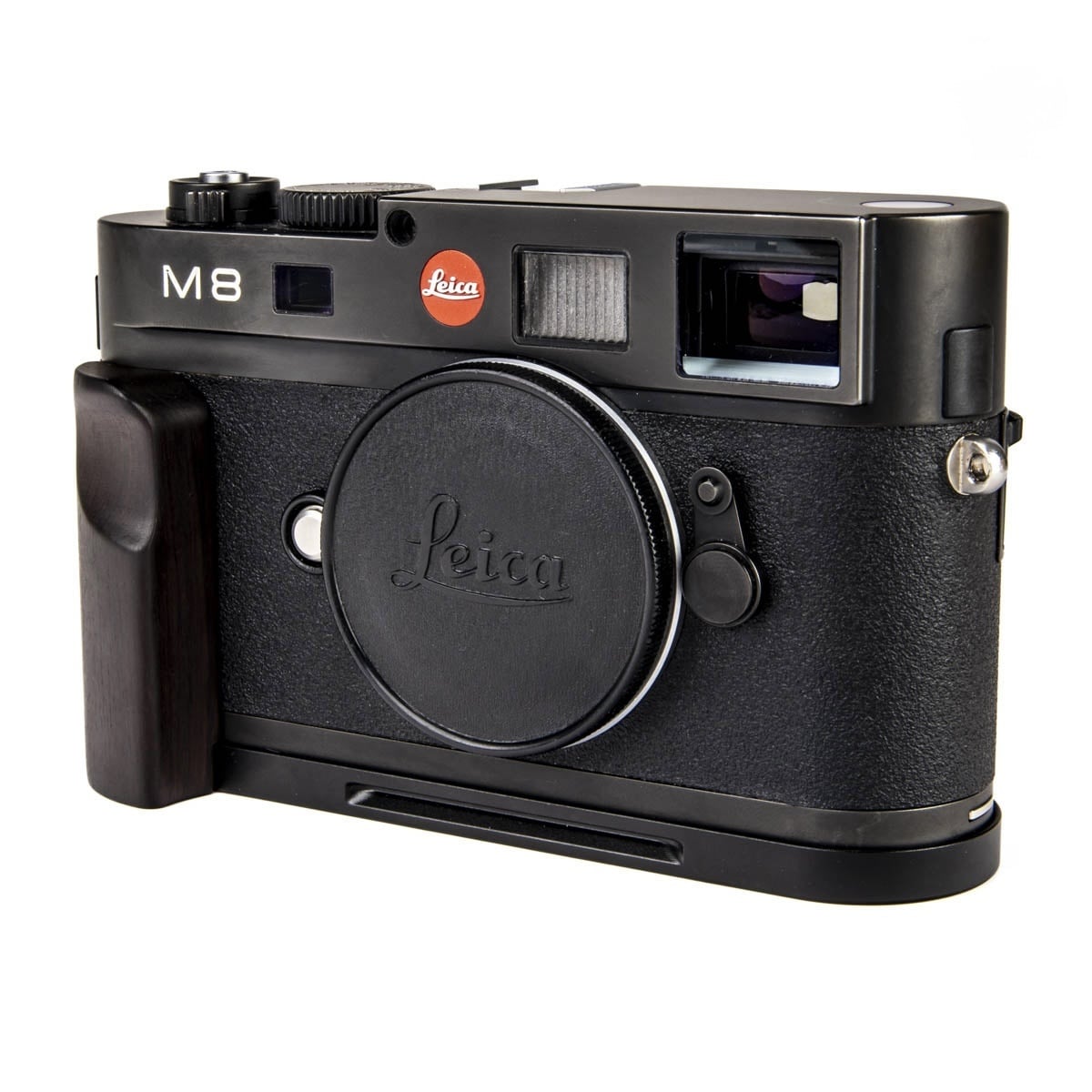
The Leica M8 is a digital rangefinder released in 2006. Like most cameras of this era, it does not hold a candle to modern digital specs. Thanks to the Kodak CCD sensor, the Leica is still a sought after digital camera. We unpacked the reviews and gave it a try for ourselves.
The Leica M8 is old by digital-camera standards. It was introduced in 2006, has just 10.3 megapixels, a relatively small rear LCD, no autofocus, and a CCD sensor that would look positively ancient on a modern spec sheet. And yet, nearly two decades later, the M8 remains one of the most interesting digital rangefinders ever made. (For comparison, check out this post on the more modern Leica M10 and M10-R) The reason isn't resolution. It isn't autofocus. It certainly isn't video. The reason is character. The M8 combines Leica's compact rangefinder design with a Kodak CCD sensor, unusually strong infrared sensitivity (you're going to want to get an IR-cut filter), a relatively simple digital workflow, and a rendering that many photographers find remarkably reminiscent of the qualities they associate with film. On paper, the M8 looks almost modest today. In practice, its specification sheet tells us quite a lot about why it behaves differently from contemporary digital cameras. Those numbers don't compete particularly well with a modern full-frame mirrorless camera. But they miss the point. The M8 is interesting precisely because it does not behave like a modern camera. At the heart of the M8 is a 10.3-megapixel Kodak KAF-10500 CCD. The sensor measures approximately 18 × 27 mm, giving the M8 its unusual 1.33× APS-H crop factor. The M8 was Leica's first digital M camera, and the choice of a CCD is a major part of its personality. Most modern cameras use CMOS sensors with extremely sophisticated readout electronics, high ISO performance, enormous dynamic range, and increasingly complex computational processing. The M8 is much simpler. That simplicity can be a virtue when the goal is photography rather than technical perfection. The Kodak CCD produces files with a distinctive color response and a particular relationship between fine detail, contrast, highlights, and noise. Calling the M8's files "film-like" is bound to ruffle some feathers. Of course, a CCD does not reproduce the chemical characteristics of film, and suggesting that film has one "look" is oversimplifying it. However, the combination of its color response, relatively large pixels, lower-resolution output, and less aggressively processed files can create an image that feels very different from the ultra-clean, hyper-corrected output of today's cameras. At 6.8 µm per pixel, the M8's pixels are physically large by modern high-resolution standards. The resulting 10.3MP files are more than enough for editorial work, prints, books, web publishing, and everyday photography when exposure and focus are right. The phrase film-like gets thrown around constantly in digital photography, but the M8 has a legitimate reason for attracting that comparison. First, the camera produces a relatively modest 10.3MP file. There is no temptation to inspect every photograph at 400% and judge it against a 45-, 60-, or 100-megapixel modern sensor. Second, the CCD's color rendering has a distinctive character. Blues, greens, reds, painted surfaces, skin tones, and warm highlights can have a density that feels different from contemporary CMOS output. Third, the M8 encourages a fundamentally different way of shooting. Manual focus, an optical rangefinder, relatively limited high-ISO performance, and a small (dare we say- useless) LCD all push the photographer toward anticipating the photograph rather than endlessly reviewing it. And then there is the light. Give an M8 a good lens and strong natural light, and the files can have an almost tactile quality. Fine foliage, old paint, chrome, wood grain, stucco, and weathered surfaces can look particularly convincing. That quality is visible in the photographs throughout this article. The camera isn't trying to make an old house look clinically perfect. It records texture, color and light with a certain density that is difficult to quantify with a specification sheet. There is one specification that doesn't appear in the usual megapixel-and-ISO comparisons: the M8's infrared sensitivity. Leica deliberately used a relatively thin infrared-blocking filter in front of the M8's CCD. The consequence was that the sensor could record considerably more near-infrared light than a conventional digital camera. This created one of the M8's most notorious characteristics: infrared contamination. Certain black synthetic fabrics, for example, can reflect substantial infrared radiation. Through an M8, those materials can shift toward purple or magenta. Other scenes can exhibit unexpected color casts depending on the materials and light involved. It was a genuine technical problem. Leica ultimately addressed it with IR-cut filters designed to be mounted on the lens. But the M8's unusual spectral response is also part of what makes the camera historically interesting. An IR-cut filter, sometimes called a UV/IR filter, blocks ultraviolet and infrared wavelengths while allowing visible light to reach the sensor. On the M8, using an IR-cut filter is generally the sensible choice for normal color photography. It reduces unwanted infrared contamination and produces more predictable color, particularly with synthetic black materials. The important distinction is that the filter isn't correcting a bad CCD. It is correcting the M8's unusually broad spectral response. That is also why M8 owners sometimes talk about filters as though they are part of the camera itself. For many users, a UV/IR filter effectively became standard equipment on every lens. More than 20 years after its release, the Leica M8 remains compelling for reasons that go beyond specifications. Its Kodak CCD sensor, stripped-back rangefinder experience, and distinctive rendering give it a character that newer digital cameras often try to replicate. For photographers who value feel, process, and image character over modern convenience, the M8 still offers something genuinely different. You can check out our full selection of Leica digital cameras and lenses here. For more tutorials, reviews, and inventory updates, follow along on InstagramWhy the Leica M8 Still Matters: The Kodak CCD Look in a Digital Camera
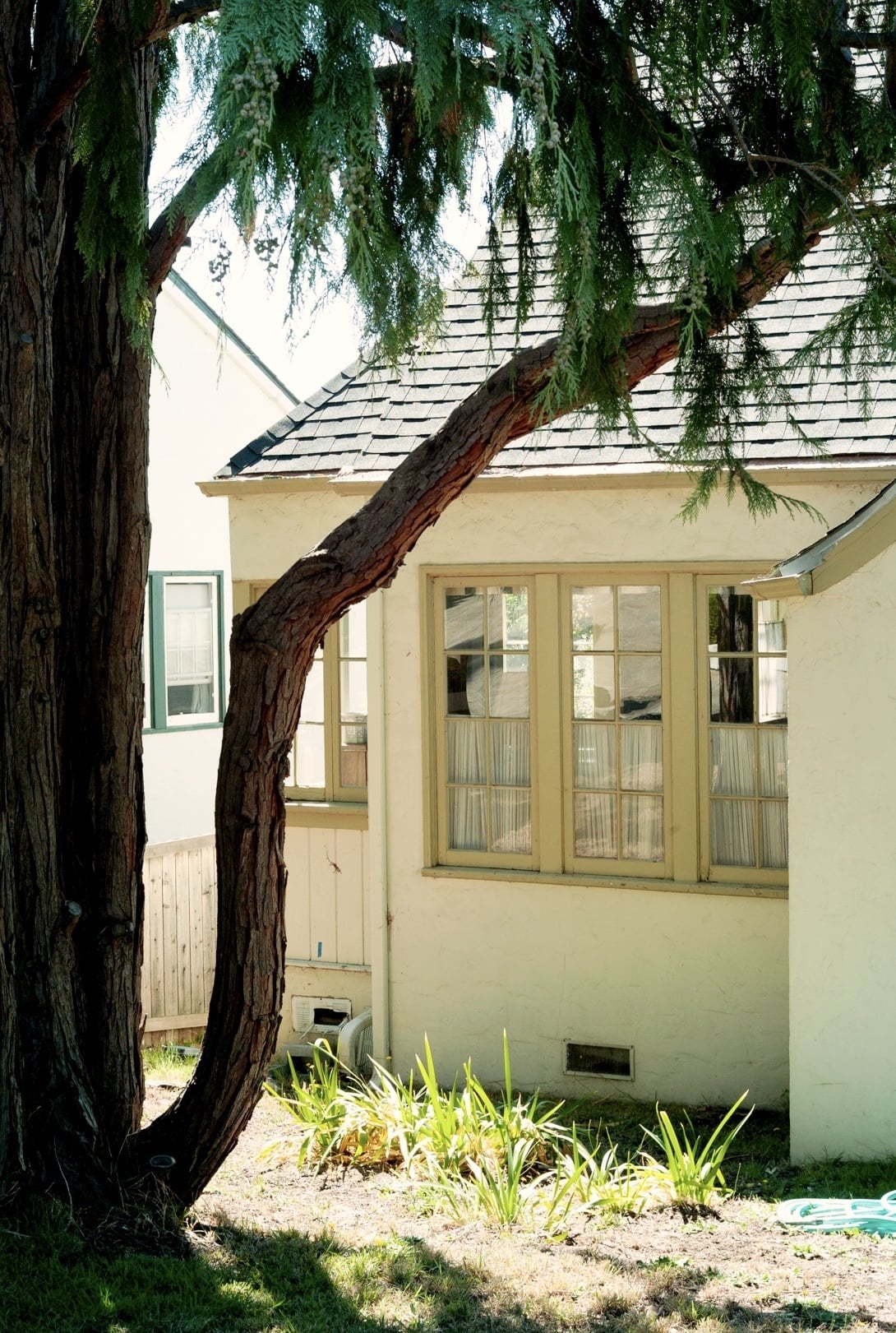
Leica M8 Specifications at a Glance
Sensor
10.3 MP Kodak CCD
Sensor size
18 × 27 mm APS-H
Crop factor
1.33×
Pixel pitch
Approximately 6.8 µm
Native ISO
ISO 160–2500
Maximum shutter speed
1/8000 sec
Flash sync
1/250 sec
Viewfinder
0.68× optical rangefinder
LCD
2.5-inch, approximately 230,000 dots
Recording
DNG and JPEG
Focus
Manual rangefinder focusing
The Kodak CCD Is the Story
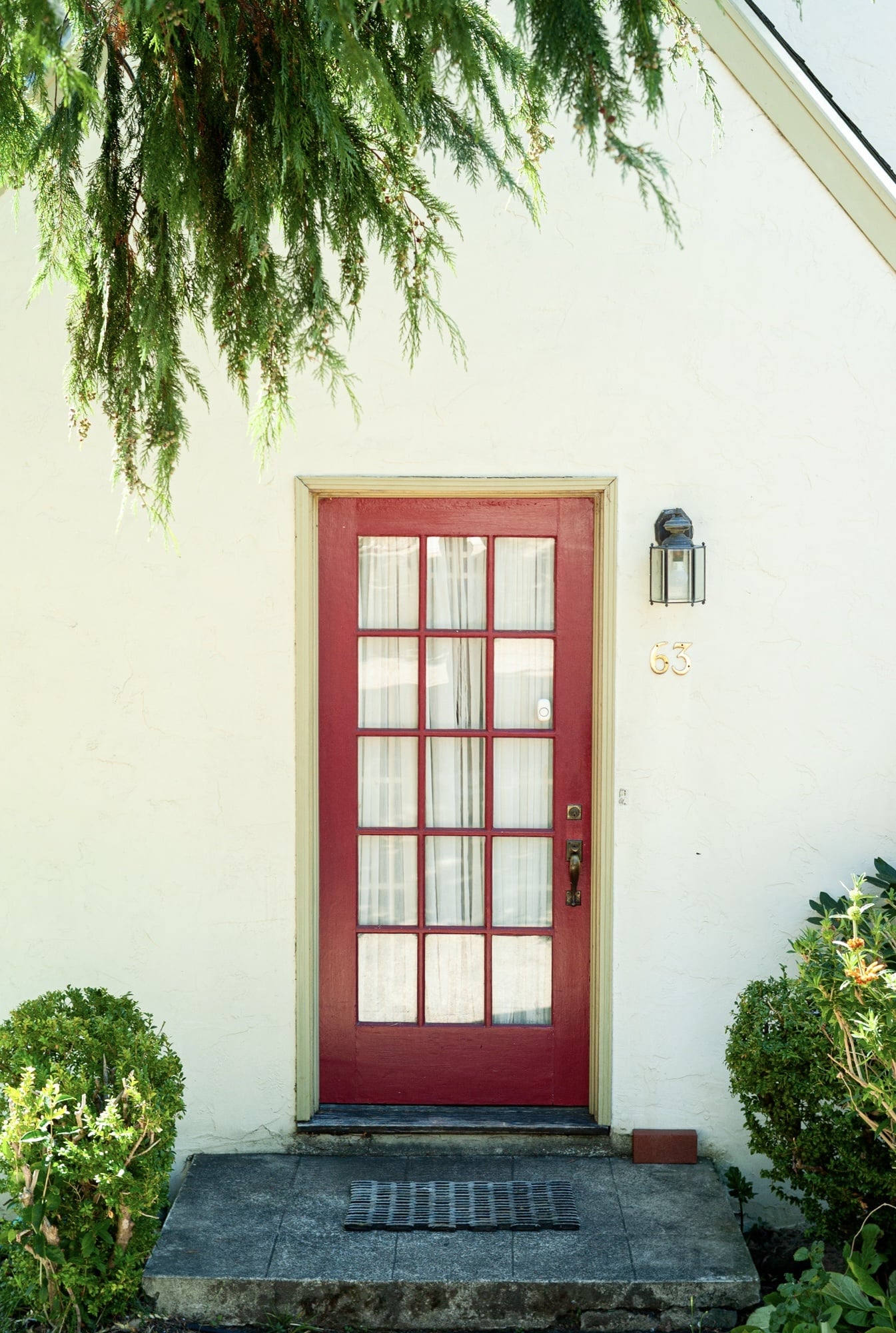
Why the M8 Can Look "Film-Like"
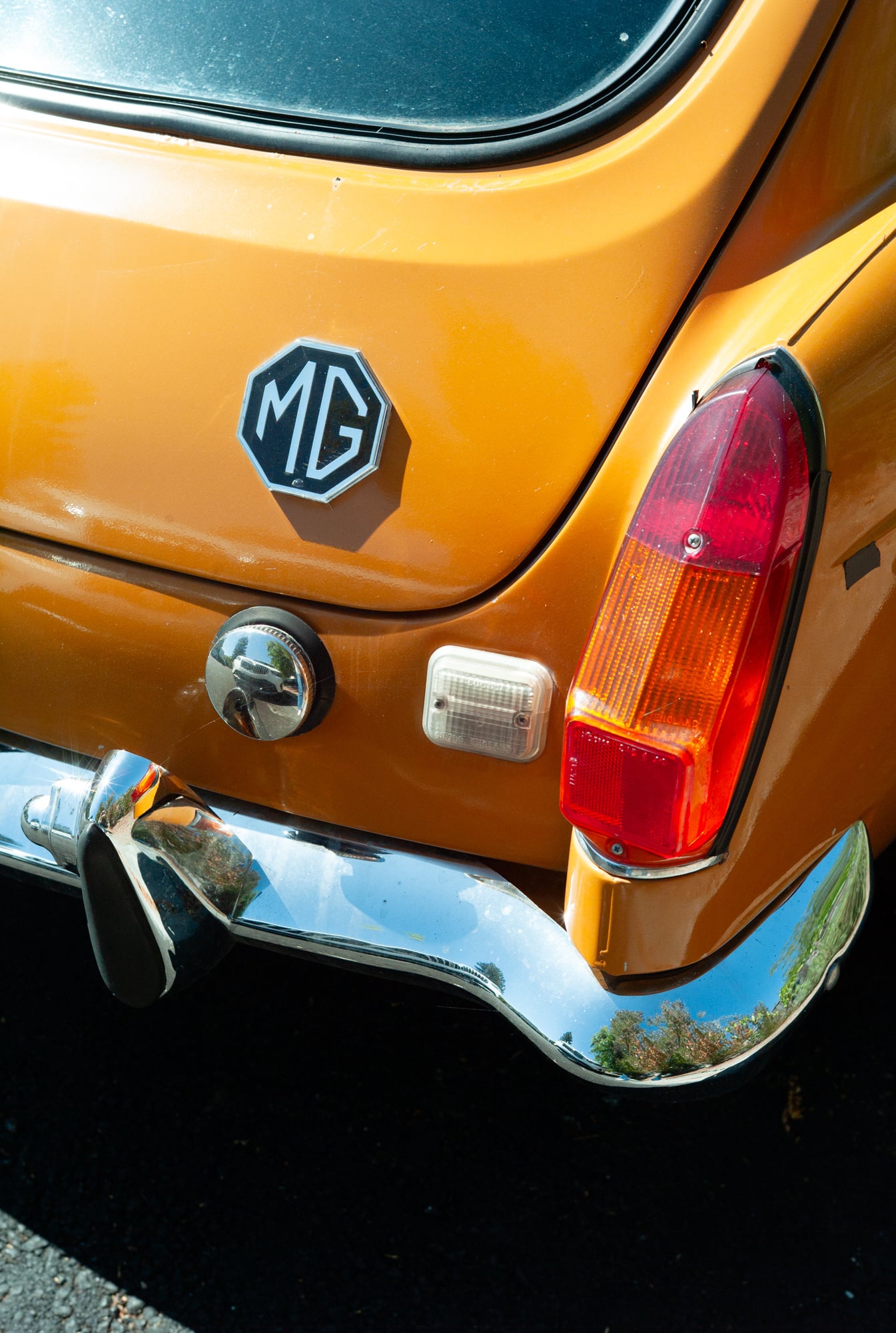
The Famous IR Cut Filter Problem
Why an IR-Cut Filter Matters
Is the Leica M8 Still Worth Consideration?